Get Free Estimates Today
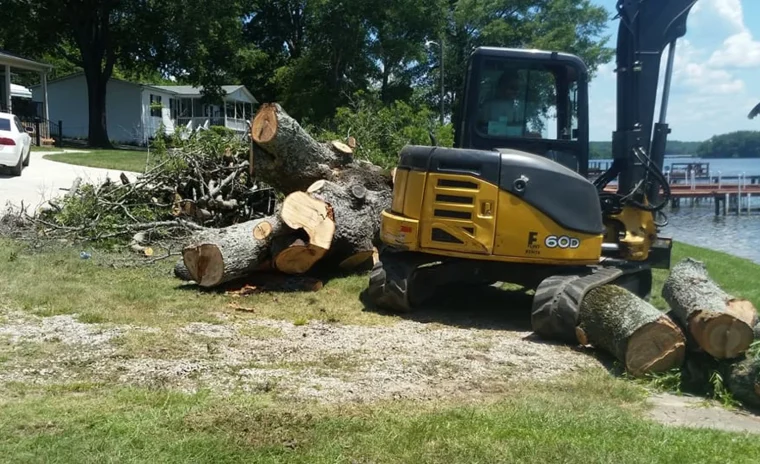
Running a tree service business involves more than chainsaws and trucks—it requires protection, responsibility, and preparation for unexpected events. That’s where tree service insurance becomes essential.
Tree care work is inherently risky. Falling branches, damaged roofs, or worker injuries can happen in seconds. Without proper insurance, a single incident could bring serious financial loss. This guide explains what tree service liability insurance covers, how much you can expect to pay, and the main requirements every professional should meet.
What Is Tree Service Insurance?
Tree service insurance is a business policy designed to protect tree care professionals from the financial risks that come with the job. It covers property damage, injuries, and legal expenses that occur while performing services.
Tree work often takes place in high-risk conditions. Insurance helps you stay protected when accidents happen and shows clients that you operate safely and responsibly.
This protection can help you:
- Cover costs for accidental property damage
- Pay medical bills if someone gets injured
- Replace or repair damaged tools or equipment
- Manage lawsuits or legal claims
Proper coverage means you can focus on the work, not the worry.
Why Tree Service Liability Insurance Is Important
Even the most careful crew faces hazards daily. Heavy machinery, unstable trees, and storm recovery jobs make the risk level high. Tree service liability insurance acts as a financial shield when things go wrong.
It helps cover:
- Property Damage: If a branch hits a client’s fence or roof, insurance covers repair costs.
- Bodily Injury: If a bystander or customer gets hurt on site, medical costs and legal fees are covered.
- Legal Protection: If a client sues after an accident, insurance can help with defense and settlement costs.
Beyond protection, having valid insurance builds trust. Clients prefer hiring insured professionals because it shows responsibility and reliability.
Common Types of Tree Service Insurance Coverage
Different businesses need different levels of coverage. The right policy depends on your operation size, services offered, and staff. Here are the most important types of protection to consider.
1. General Liability Insurance
This is the base of most policies. It covers property damage, injuries, and related legal costs that result from your work.
Example: A limb from a tree you are cutting crashes through a client’s window. General liability insurance helps pay for the repairs.
2. Workers’ Compensation Insurance
Tree work can lead to injuries. Workers’ compensation insurance covers medical bills, lost wages, and recovery costs for injured employees. Most states make this a key requirement, so every business should carry it.
Example: An employee slips while using a saw and needs hospital care. Workers’ compensation handles the costs and lost income.
3. Commercial Auto Insurance
Trucks and trailers are essential for hauling logs, debris, and heavy tools. Commercial auto insurance protects those vehicles from accidents, theft, and damage. It also covers injury or property damage caused by your business vehicle.
Example: Your truck hits a mailbox while backing into a driveway. This coverage helps pay for the damage and repair costs.
4. Inland Marine or Equipment Insurance
Tree service work depends on expensive machinery. Equipment insurance (also called inland marine coverage) protects your chainsaws, chippers, and bucket trucks from theft, fire, or on-site damage.
Example: A fire damages your chipper on-site. Equipment coverage helps with repair or replacement costs.
5. Commercial Property Insurance
If you store tools or vehicles in a building, commercial property insurance protects that space and its contents against fire, theft, or vandalism.
Example: A storm damages your storage shed and tools inside. Property insurance covers the loss so operations can continue.
6. Umbrella Liability Insurance
For added protection, some tree care professionals add an umbrella policy. It extends liability coverage beyond the standard policy limit, covering large claims that could otherwise threaten your business.
State & Local Tree Service Insurance Requirements
Each state has its own insurance requirements, but most follow similar rules:
- General liability insurance is typically required for all tree service operations.
- Workers’ compensation insurance is mandatory if you have employees.
- Commercial auto insurance is required for business vehicles.
- Some states require proof of insurance to obtain or renew your business license.
Failing to meet these requirements can lead to fines, lost licenses, or legal issues. Keeping your insurance current ensures compliance and builds credibility with clients.
Understanding Tree Service Insurance Costs
The cost of tree service insurance varies depending on several factors. On average, small businesses might spend between $800 and $2,000 per year for general liability coverage alone, but the total can change based on your work scope and policy limits.
Factors That Affect the Cost
- Type of Services Offered: Tree removal, demolition, or land clearing typically carry higher risks and therefore higher premiums.
- Business Size and Payroll: The more employees you have, the higher your workers’ compensation cost will be.
- Equipment Value: Heavy-duty equipment and vehicles increase your total coverage needs.
- Claims History: Fewer claims often mean lower premiums. Insurers reward safe operations.
- Coverage Limits and Deductibles: Higher limits offer more protection but increase premiums. Choosing a reasonable deductible helps manage costs.
By comparing quotes and maintaining safe practices, you can find affordable coverage without sacrificing protection.
How to Choose the Right Tree Service Insurance Policy
Selecting the right coverage depends on your unique operations and risks. Here’s how to make a smart decision:
- Identify Your Risks: Review every service you provide—tree removal, stump grinding, land clearing—and note the risks for each.
- Compare Multiple Providers: Request quotes from several insurers. Compare coverage details, limits, and exclusions, not just prices.
- Check Policy Limits: Make sure your policy limits meet local regulations and job site requirements.
- Review Equipment and Vehicle Coverage: Include all tools, vehicles, and attachments that you rely on for work.
- Work with a Licensed Insurance Agent: Choose an agent familiar with the tree industry who can tailor your coverage to your real risks.
How Proper Insurance Builds Trust and Longevity
Clients want professionals who operate safely and legally. Carrying tree service insurance not only protects your assets but also signals professionalism. It reassures homeowners and commercial clients that if something goes wrong, they won’t be left with the bill. For long-term success, proper insurance supports safer operations, builds repeat business, and strengthens your reputation in the community.
Conclusion
Tree care work is demanding and full of potential hazards, but with the right insurance, your business stays secure. From liability insurance to workers’ compensation, each type of coverage protects you from costly setbacks. Understanding your requirements, evaluating your options, and managing your costs all help you operate safely and confidently year-round.
Work With a Fully Insured & Experienced Team
At D&S Tree Service, LLC & Demolition, we’ve worked in the field for over 26 years, providing safe and reliable tree care across Laurens, SC, and nearby areas. Our crew operates with full insurance coverage, proper licensing, and decades of hands-on experience. Whether it’s tree removal, land clearing, or demolition, we bring integrity, safety, and professionalism to every job. Call us at (864) 923-2419 for a free estimate and see why clients trust us to handle even the toughest projects the right way.