Get Free Estimates Today

Principles of Tree Hazard Assessment and Management
Trees add shade, beauty, and value to any property. But when a tree becomes unstable or decayed, it turns into a serious danger. Knowing the principles of tree hazard assessment and management helps property owners keep their landscape safe and prevent costly damage.
This guide explains how hazard tree identification, hazard tree evaluation, and a hazardous tree removal program work, along with what affects hazardous tree removal cost.
Why Tree Hazard Assessment Matters
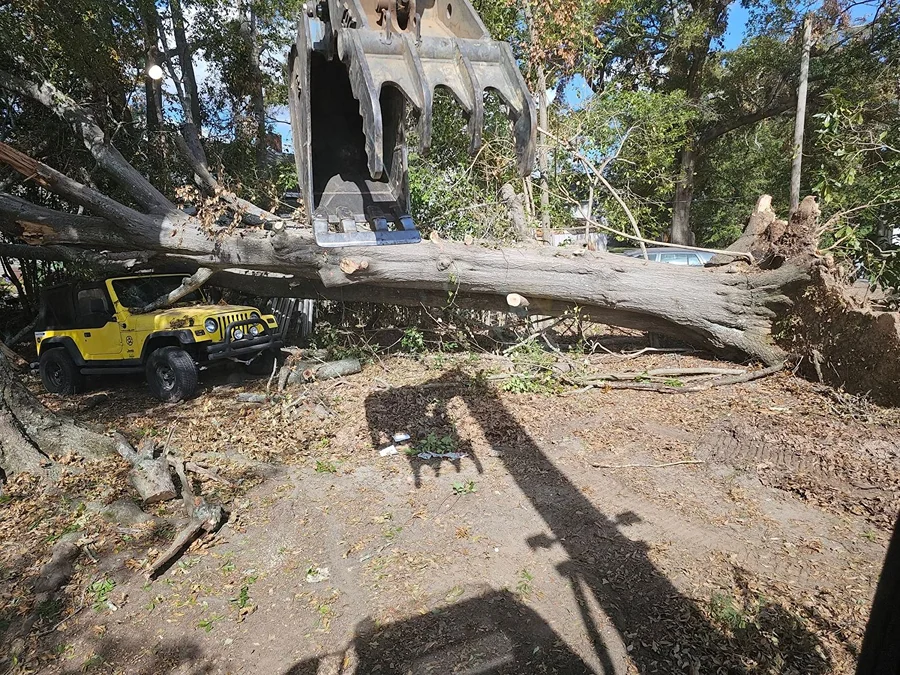
A hazardous tree can cause injuries or property damage during storms or high winds. Many homeowners do not realize the risk until failure occurs. Understanding the principles of tree hazard assessment and management allows you to spot early warning signs and take safe, preventive action.
Common Causes of Tree Hazards
- Rot or hollow areas inside the trunk
- Storm damage that weakens limbs
- Exposed or damaged roots
- Overextended branches near homes or power lines
- Trees leaning with disturbed soil or shifting roots
Early detection through hazard tree evaluation is the best way to reduce risks and maintain property safety.
The Principles of Tree Hazard Assessment and Management
Tree safety involves a step-by-step process built around the core principles of tree hazard assessment and management. The focus is to identify, evaluate, and manage risks while preserving healthy trees whenever possible.
1. Hazard Tree Identification
The first step is hazard tree identification, a visual inspection that reveals weaknesses or signs of decay. Professionals look for cracks, deadwood, cavities, fungi, or leaning trunks.
Each symptom helps determine how unstable the tree may be. Identifying problems early allows for corrective trimming or pruning instead of removal.
2. Hazard Tree Evaluation
After identifying possible hazards, the next step is hazard tree evaluation. This process measures the level of risk by analyzing the tree’s structure and the potential target area below.
Evaluators focus on:
- How likely the tree or limb is to fail
- The size of the part that could fall
- The likelihood of it hitting a structure or person
Advanced tools can detect internal decay or hollow areas not visible on the surface. This stage is critical in deciding whether a tree can be saved or if it must be removed under a hazardous tree removal program.
3. Managing Tree Hazards
Once a tree’s condition is known, management begins. This may include pruning, cabling, fertilizing, or removal. The main goal is always to reduce risk and maintain safety.
A structured hazardous tree removal program ensures each step, from assessment to cleanup, is performed safely and efficiently. This includes using equipment such as a 75-foot bucket truck, log skidders, and heavy chippers to handle all materials properly.
What Is a Hazardous Tree Removal Program?
A hazardous tree removal program is a planned approach to address unsafe trees on residential or commercial properties. It helps prioritize dangerous trees and ensures safe removal.
Steps in a Hazardous Tree Removal Program
- Inspection: A complete check for visible damage, rot, or decay.
- Documentation: Notes and photos for recordkeeping.
- Risk Ranking: Trees are categorized by danger level.
- Safe Removal: Crews use cranes or bucket trucks to remove sections safely.
- Stump Grinding or Removal: Eliminates tripping hazards and restores the area.
- Debris Cleanup: All wood and brush are chipped or hauled away.
Following a clear plan reduces accidents, saves time, and ensures a clean finish.
Understanding Hazardous Tree Removal Cost
Many factors affect hazardous tree removal cost, including the size, height, and location of the tree.
1. Size and Height
Larger trees need more time, labor, and equipment to remove.
2. Location and Accessibility
Trees near power lines or buildings require extra caution and planning.
3. Condition of the Tree
Decayed or hollow trees are unstable, making removal more dangerous and labor-intensive.
4. Equipment Used
Bucket trucks, cranes, and skidders increase cost but ensure safe and efficient work.
5. Stump Handling
Grinding or removing the entire stump adds to the total but leaves the site stable for future use.
Requesting a free estimate from a local professional is the most accurate way to determine the real hazardous tree removal cost for your situation.
When to Schedule a Hazard Tree Evaluation
Watch for these signs that indicate it’s time for professional evaluation:
- Deep cracks or open cavities
- Mushrooms or fungus at the base
- Trees leaning more than usual
- Branches hanging over roofs
- Soil lifting around exposed roots
Regular inspections help prevent emergencies and maintain a safe property.
Preventive Tree Care and Maintenance
Routine care prevents hazards before they develop.
- Inspect trees once or twice a year
- Trim weak or broken limbs
- Water and fertilize trees properly
- Remove storm debris quickly
These steps align with the principles of tree hazard assessment and management and help your trees stay healthy and safe for years.
Conclusion
Applying the principles of tree hazard assessment and management protects your property, family, and investments. Through careful hazard tree identification, detailed hazard tree evaluation, and a structured hazardous tree removal program, you can reduce risks while preserving the beauty of your trees. Understanding what affects hazardous tree removal cost also helps you make informed, budget-friendly decisions.
How D&S Tree Service, LLC & Demolition Can Help
At D&S Tree Service, LLC & Demolition, we have served Laurens, SC, and nearby areas for over 26 years with more than 44 years of hands-on experience. We handle every aspect of tree safety, from pruning and removal to full site cleanup. Using heavy equipment like our 75-foot bucket truck, excavators, and log trucks, we can manage hazardous trees of any size safely and efficiently.
We work later than most competitors and provide free estimates within 100 miles. If you suspect a tree is unsafe, call (864) 923-2419 today. We are fully licensed and insured, and we treat every property as if it were our own.